
Introducing Google Antigravity
Introducing Google Antigravity
Welcome to the Machine Learning Hub, your one-stop destination for all things related to machine learning!
Get ready to embark on an exciting journey into the realm of AI and discover how machines can learn and make intelligent decisions. Our blog articles are crafted with simplicity and clarity in mind, making complex machine learning concepts easy to understand for everyone. Whether you’re a beginner or an experienced practitioner, we’ve got you covered with informative and insightful content. Explore the fascinating world of algorithms, models, and data as we delve into supervised and unsupervised learning, reinforcement learning, and more. Discover practical applications in various domains like healthcare, finance, and autonomous vehicles. From introductory guides to advanced techniques, we’re here to help you demystify machine learning and unlock its potential. Join us on this journey as we unravel the secrets of machine learning and empower you to build intelligent systems that can analyze data, make predictions, and drive innovation.
Let’s shape the future together with the power of machine learning!
has become the single most effective approach for me to solve problems. Most problems I encounter at work can be solved effectively by utilizing agents. This is in contrast to manually solving tasks or coding up a solution yourself. In this article, I’ll give a high-level overview of how I approach problems and solve them …
Image by Author # Introduction You’ve probably heard people talk about APIs a lot. Basically, an API allows a software to ask another piece of software for help. For example, when we use our weather app, it might use a real-time API to get the data from a remote server. This little conversation saves you …
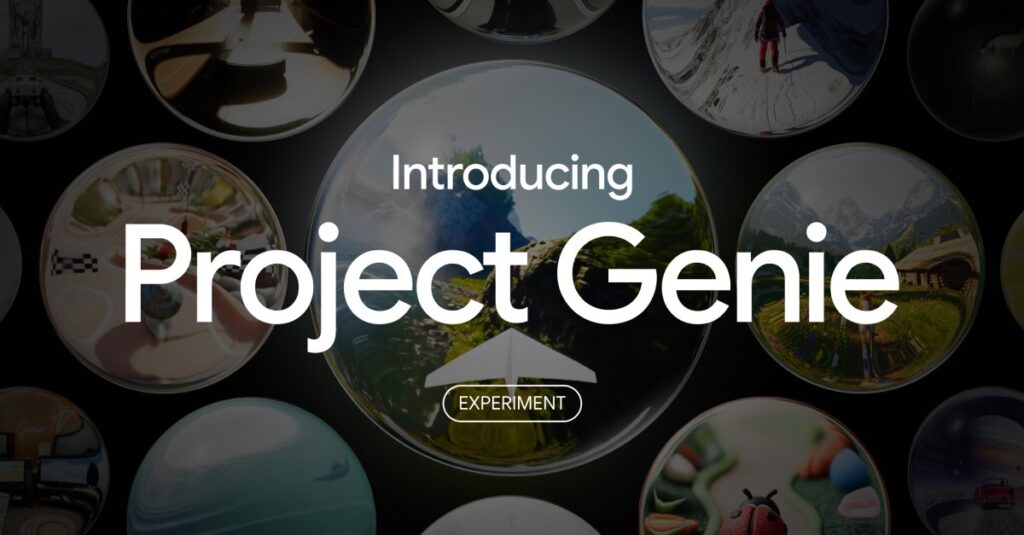
In August, we previewed Genie 3, a general-purpose world model capable of generating diverse, interactive environments. Even in this early form, trusted testers were able to create an impressive range of fascinating worlds and experiences, and uncovered entirely new ways to use it. The next step is to broaden access through a dedicated, interactive prototype …
AI world model now available for Ultra users in U.S. Read More »
in the federated learning series I am doing, and if you just landed here, I would recommend going through the first part where we discussed how federated learning works at a high level. For a quick refresher, here is an interactive app that I created in a marimo notebook where you can perform local training, …
Federated Learning, Part 2: Implementation with the Flower Framework 🌼 Read More »
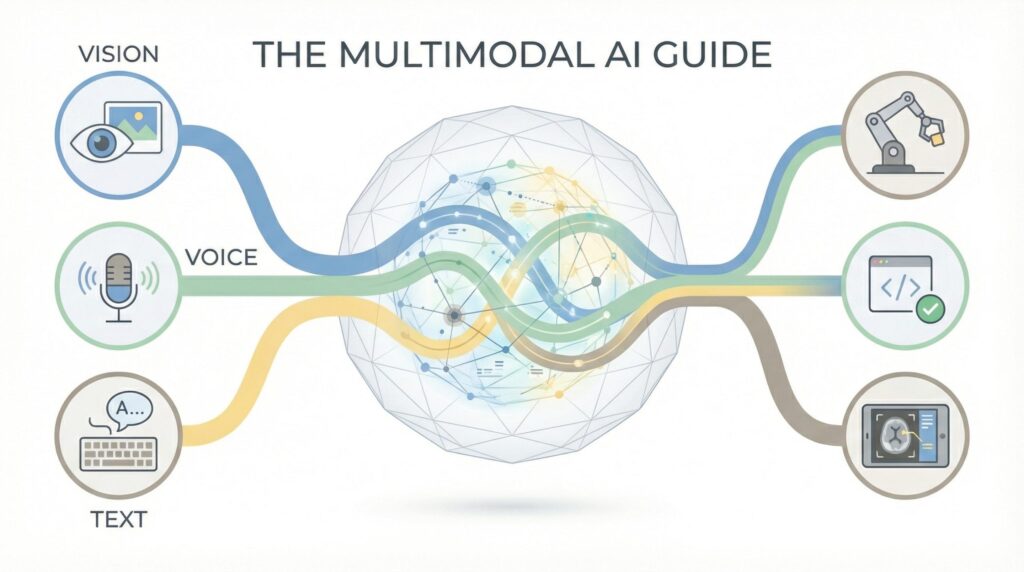
Image by Author # Introduction For decades, artificial intelligence (AI) meant text. You typed a question, got a text response. Even as language models grew more capable, the interface stayed the same: a text box waiting for your carefully crafted prompt. That’s changing. Today’s most capable AI systems don’t just read. They see images, hear …
The Multimodal AI Guide: Vision, Voice, Text, and Beyond Read More »
A note from Google and Alphabet CEO Sundar Pichai: Nearly two years ago we kicked off the Gemini era, one of our biggest scientific and product endeavors ever undertaken as a company. Since then, it’s been incredible to see how much people love it. AI Overviews now have 2 billion users every month. The Gemini …
Introducing the latest Gemini AI model from Google Read More »
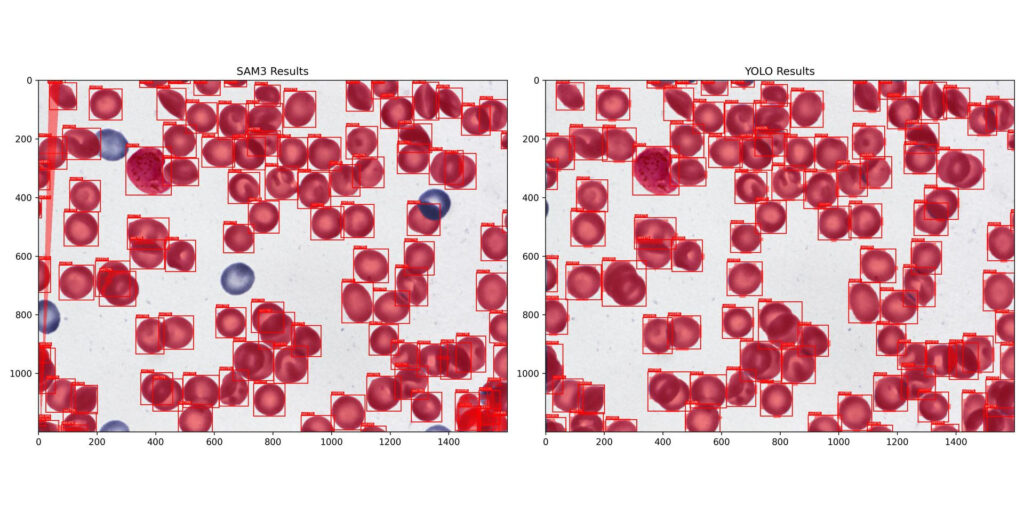
Segment Anything Model 3 (SAM3) sent a shockwave through the computer vision community. Social media feeds were rightfully flooded with praise for its performance. SAM3 isn’t just an incremental update; it introduces Promptable Concept Segmentation (PCS), a vision language architecture that allows users to segment objects using natural language prompts. From its 3D capabilities (SAM3D) …
SAM 3 vs. Specialist Models — A Performance Benchmark Read More »
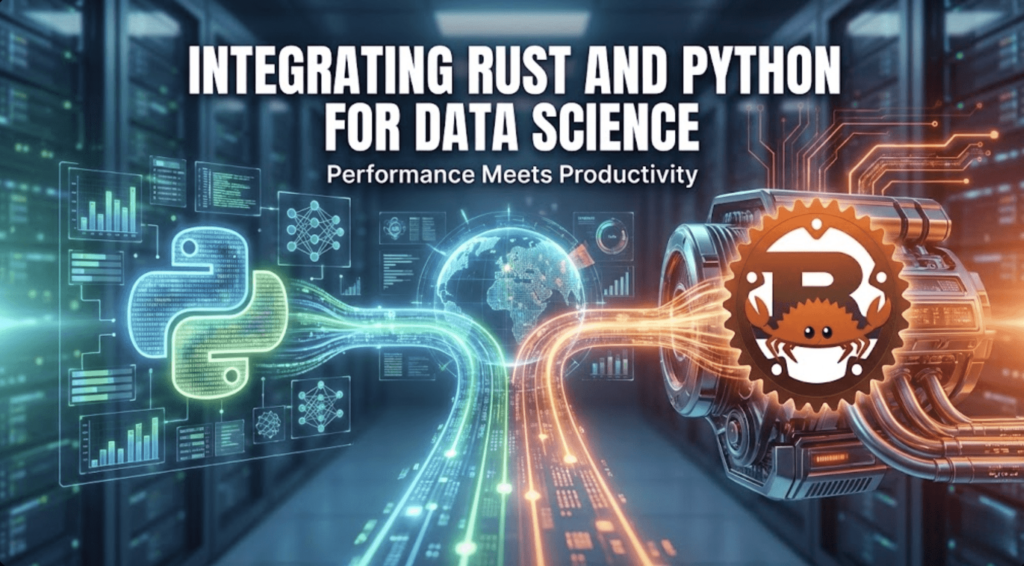
Image by Author # Introduction Python is the default language of data science for good reasons. It has a mature ecosystem, a low barrier to entry, and libraries that let you move from idea to result very quickly. NumPy, pandas, scikit-learn, PyTorch, and Jupyter Notebook form a workflow that is hard to beat for exploration, …
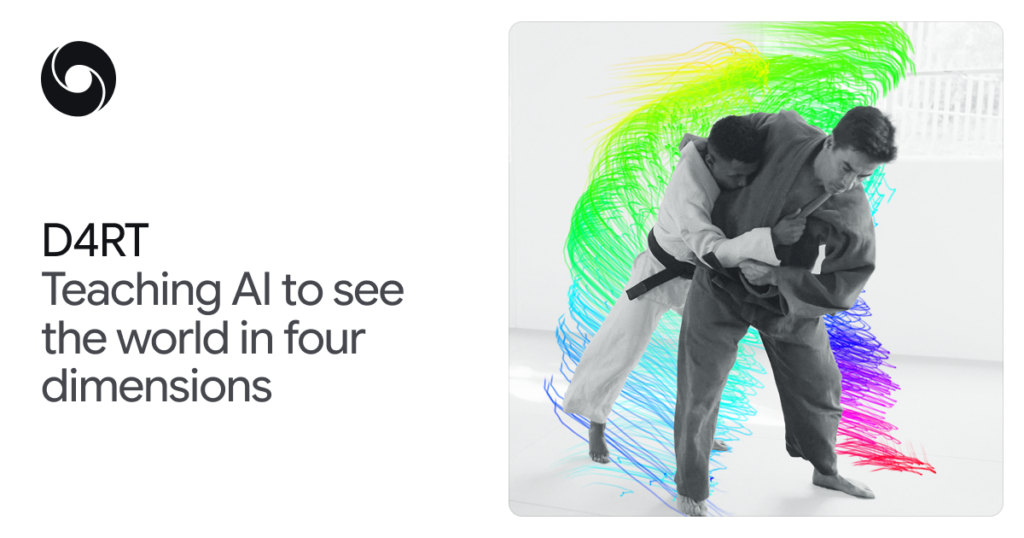
Introducing D4RT, a unified AI model for 4D scene reconstruction and tracking across space and time. Anytime we look at the world, we perform an extraordinary feat of memory and prediction. We see and understand things as they are at a given moment in time, as they were a moment ago, and how they are …
D4RT: Unified, Fast 4D Scene Reconstruction & Tracking Read More »